Tiger Hill (Huqiu, 虎丘) is a small wooded hill on the northwestern edge of Suzhou, and it has been one of the city’s best-loved sights for more than two thousand years. Legend says that King Helü of Wu was buried here in the 5th century BC, along with 3,000 precious swords, and that three days after the burial a white tiger appeared crouching on the tomb. That gave the hill its name. Near the summit, a narrow, cliff-walled pool called Sword Pond is said to hide the entrance to the king’s tomb. Below it lies the broad, flat Thousand Man Rock, which also has its legends. One says the tomb’s builders were killed there to keep its location secret. Another says that when a monk preached on the rock, even the stones nodded in agreement.
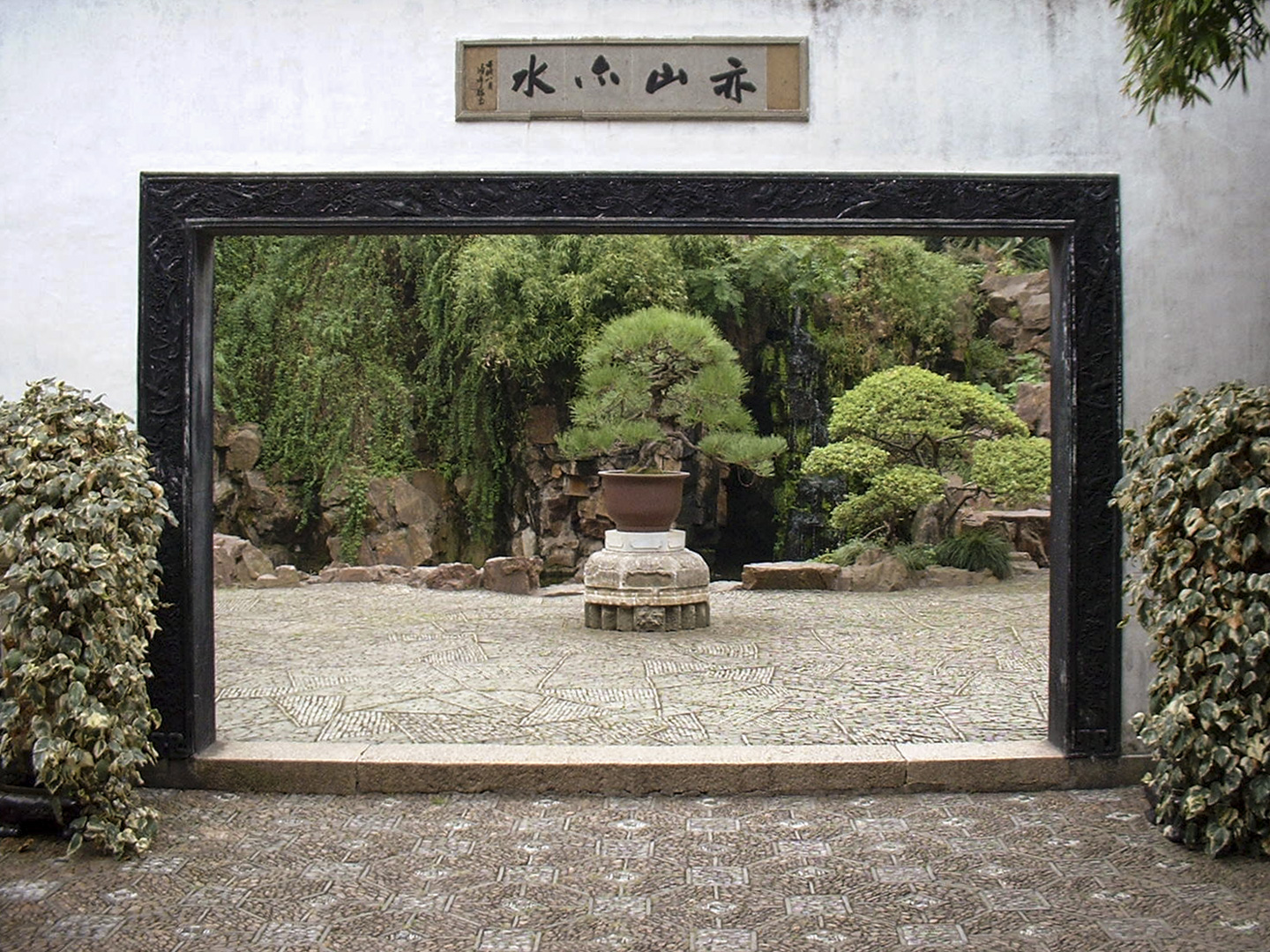
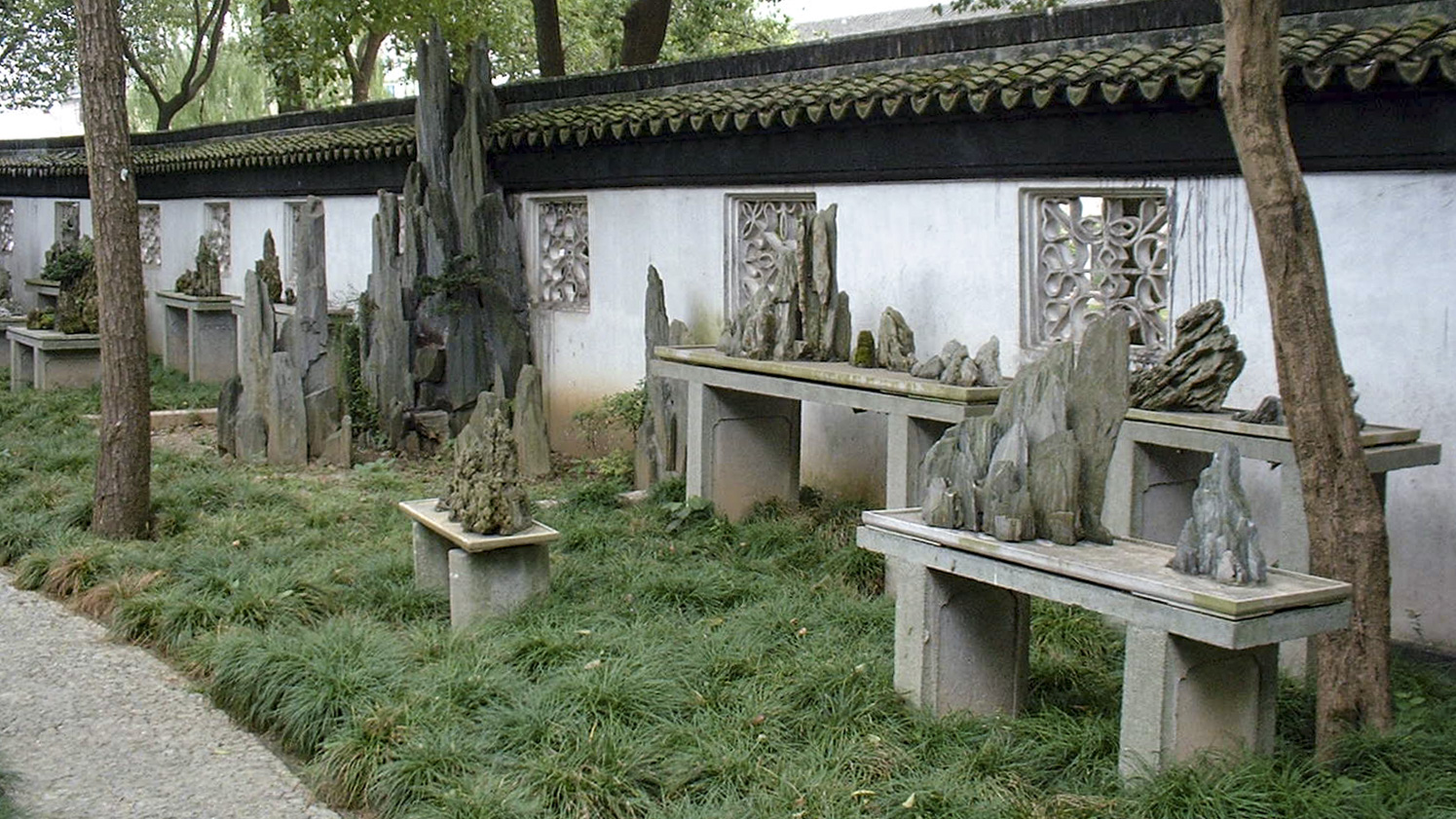
At the top stands the Yunyan Temple Pagoda, an octagonal seven-storey brick tower completed in 961. Over the centuries it has tilted noticeably, which has earned it the nickname “China’s Leaning Tower.” The poet Su Shi famously said that visiting Suzhou without seeing Tiger Hill would be a lifelong regret. The site mixes ancient stone, shady paths, little temples and pavilions, and a lovely garden of miniature landscapes (penjing) at the foot of the hill.