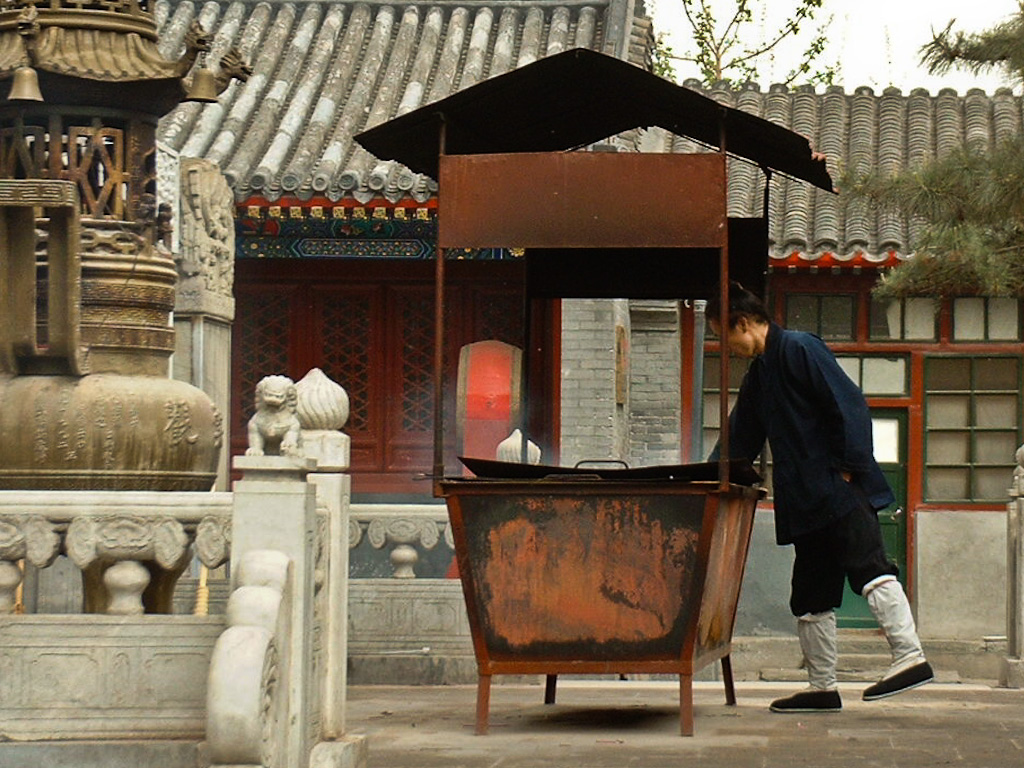
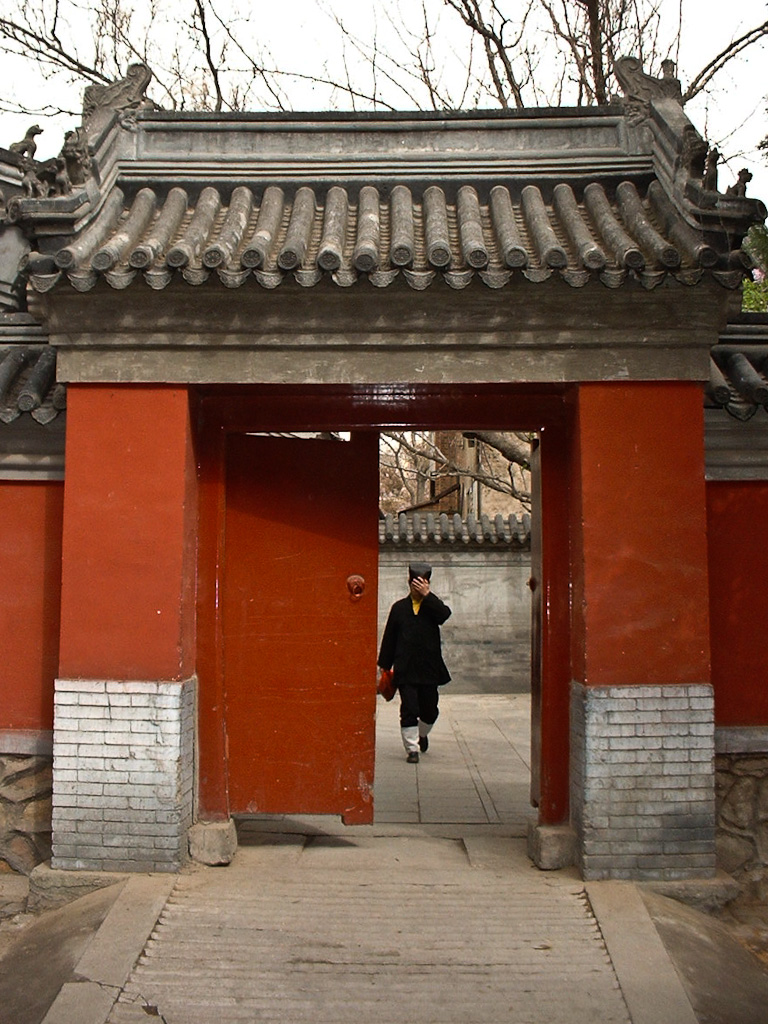
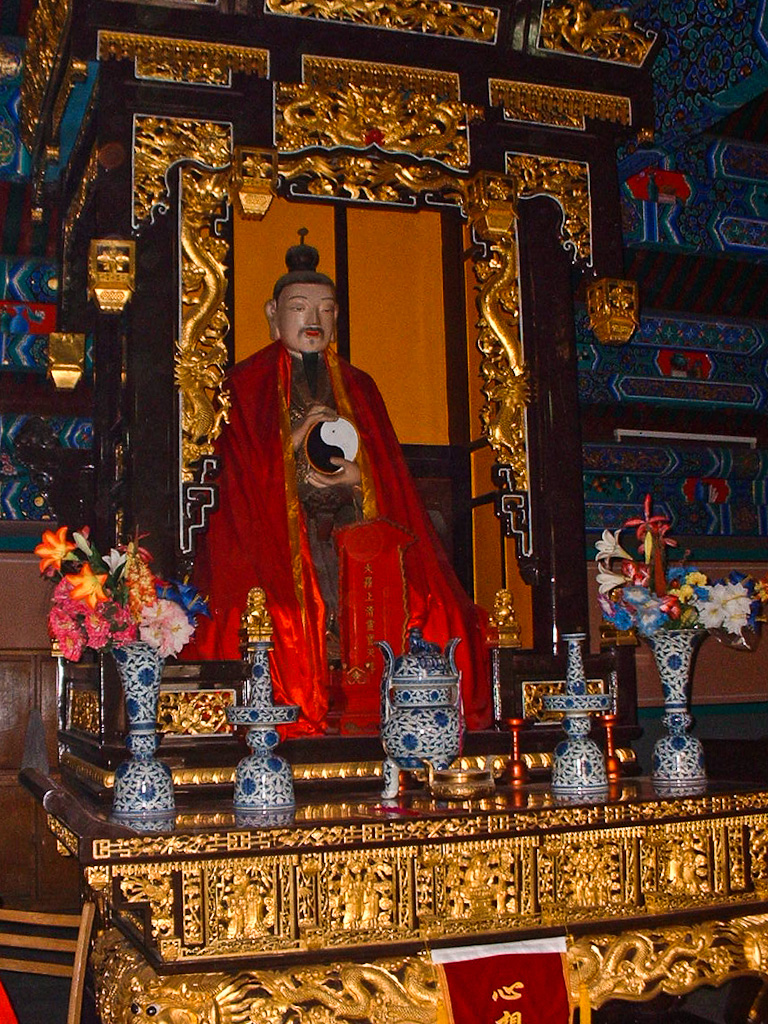
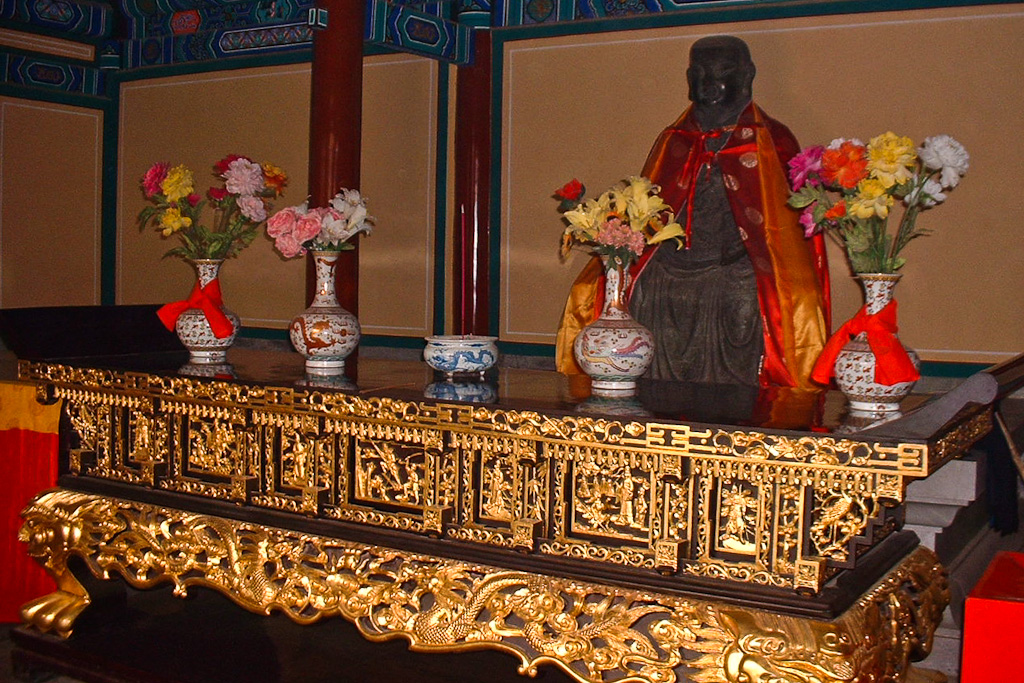
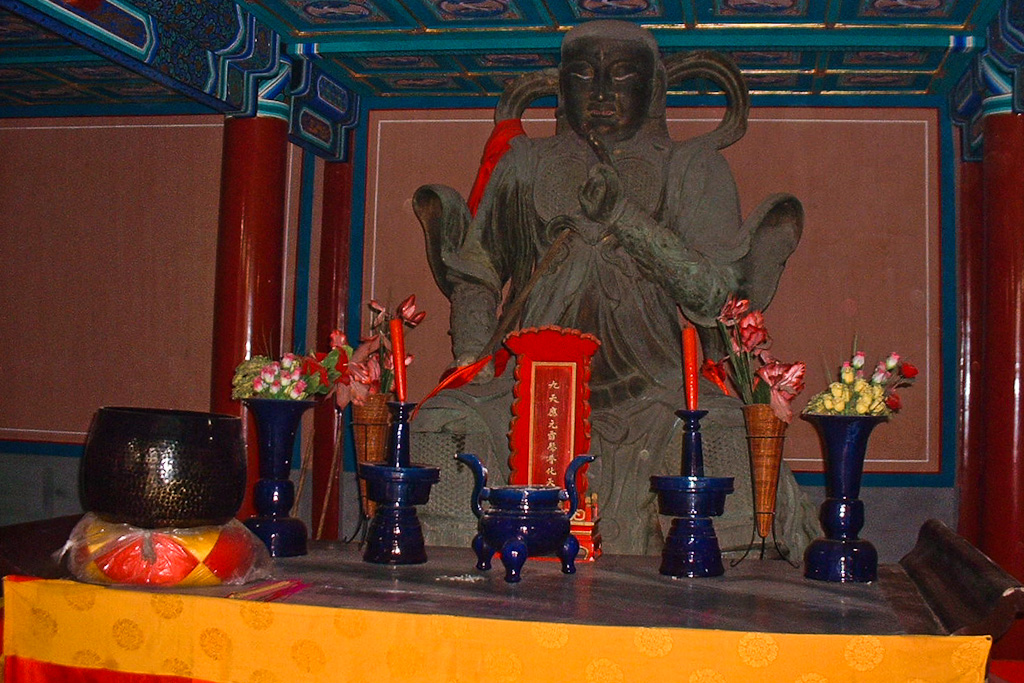
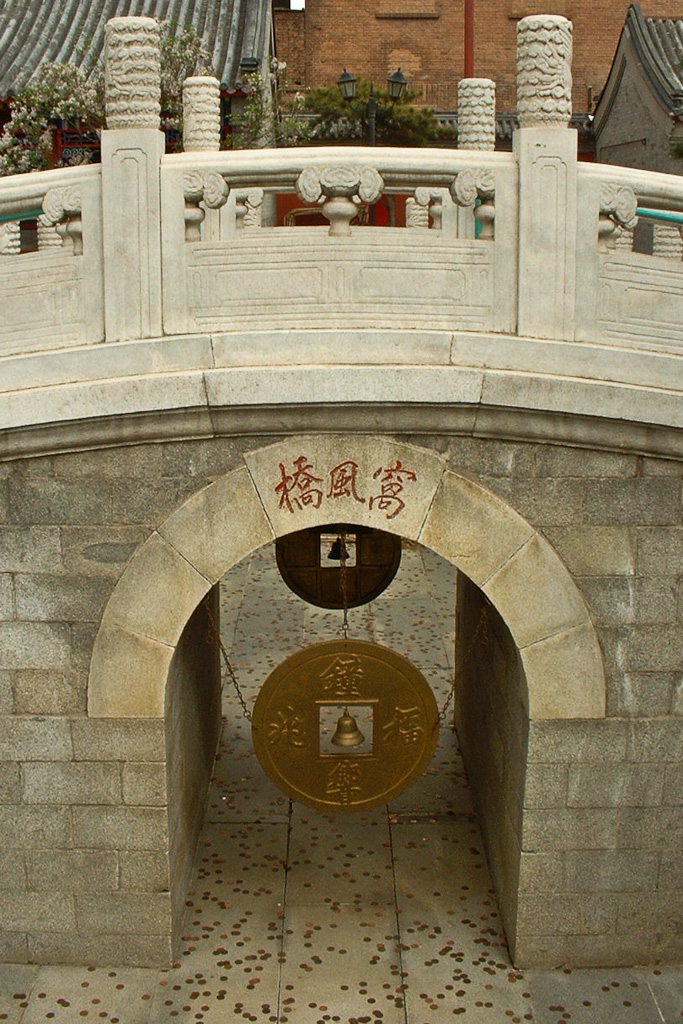
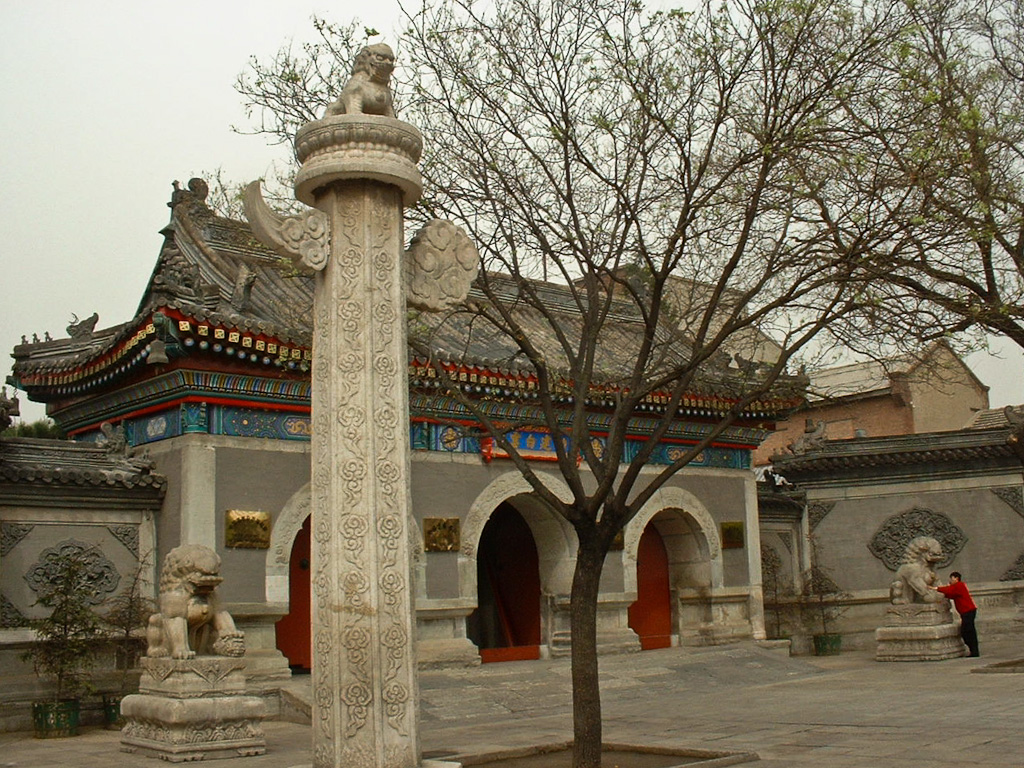
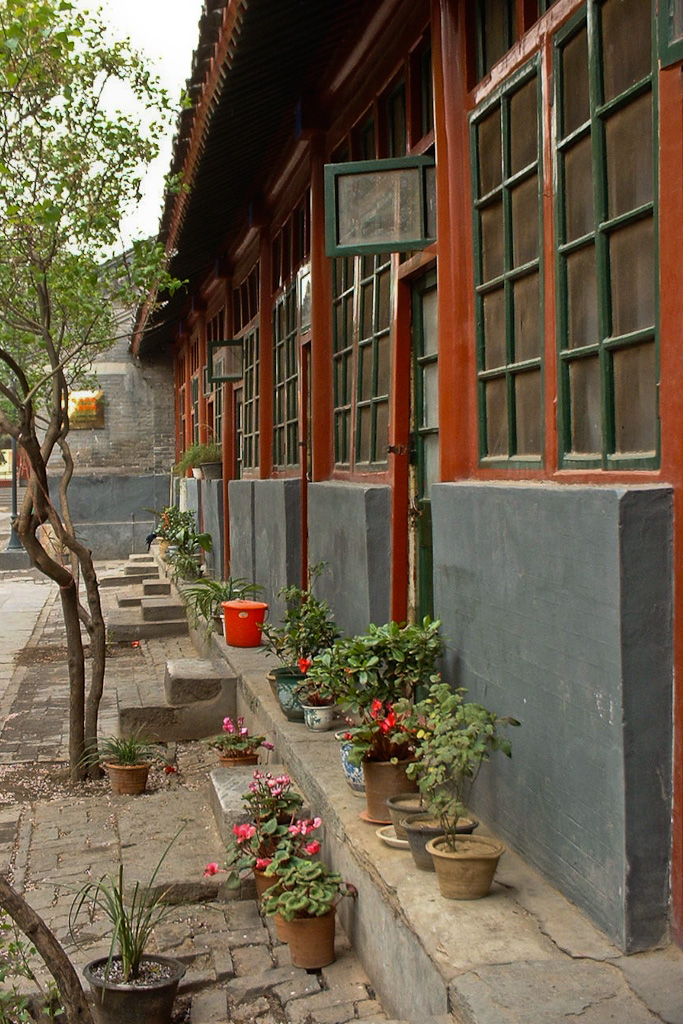
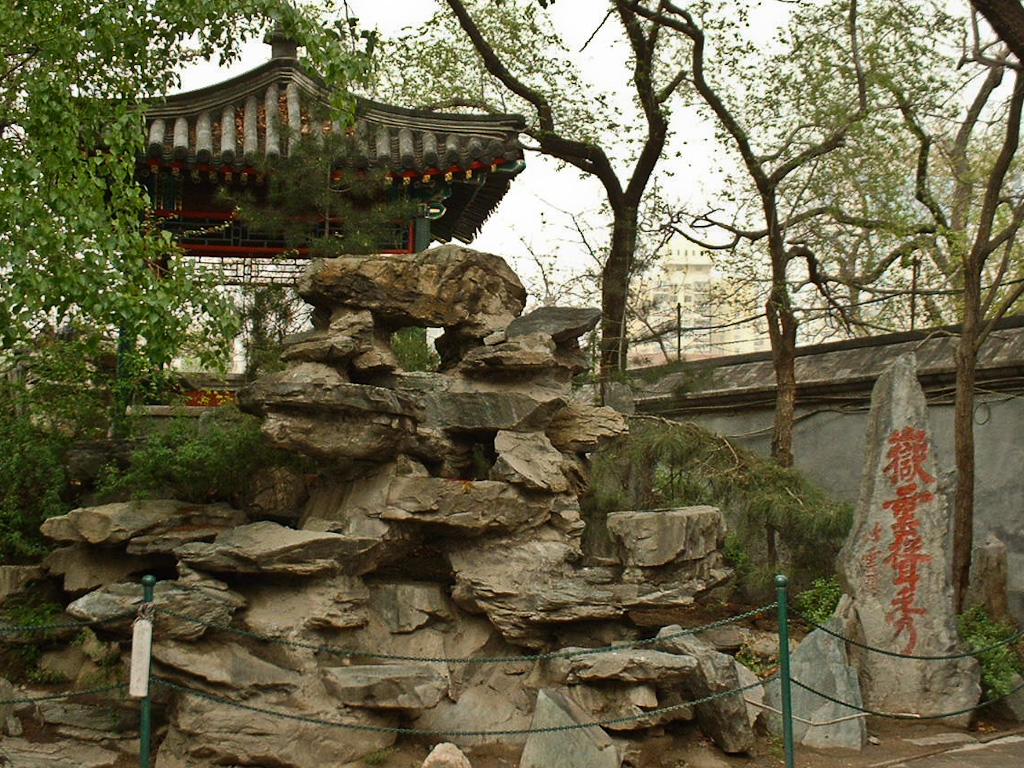
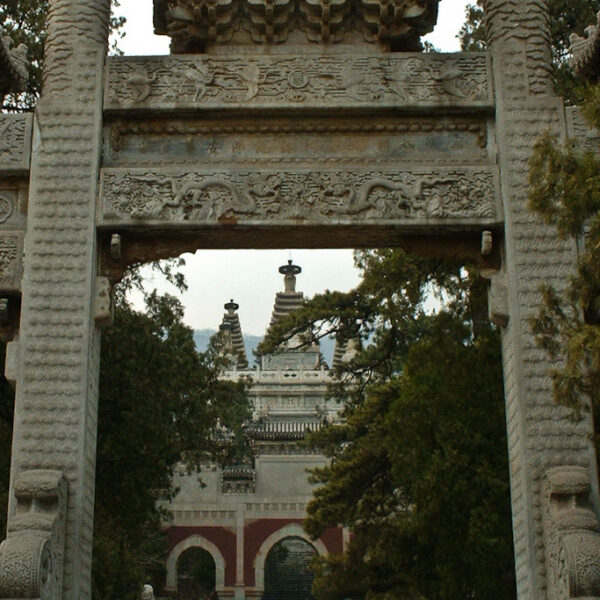
The White Cloud Temple (白云观) is in Beijing’s Xicheng District, just outside the old western city gate of Xibianmen. It is one of the most important Daoist sites in China. It was founded in 739 under the Tang dynasty as the Tianchang Temple, a place to honour Laozi. Over the following centuries it was destroyed and rebuilt several times. Its defining moment came in the 13th century, when the Daoist master Qiu Chuji came to live there. He was a leader of the Quanzhen (“Complete Perfection”) school who had travelled to meet Genghis Khan. He is buried on the grounds, and the temple became the ancestral home of Quanzhen’s Longmen (“Dragon Gate”) lineage. It got the name White Cloud Temple during the Ming dynasty, but most of the halls and courtyards you see today date from the Qing. The temple is still a working monastery with resident monks, and it houses the China Taoist Association. Visitors walk through a series of quiet courtyards filled with incense and old cypress trees. Popular good-luck customs include rubbing the small stone monkeys carved into the walls and gateways, and throwing coins at a bell hanging under the Wofeng Bridge. The temple is busiest during its Spring Festival temple fair, which is one of the liveliest celebrations in Beijing.