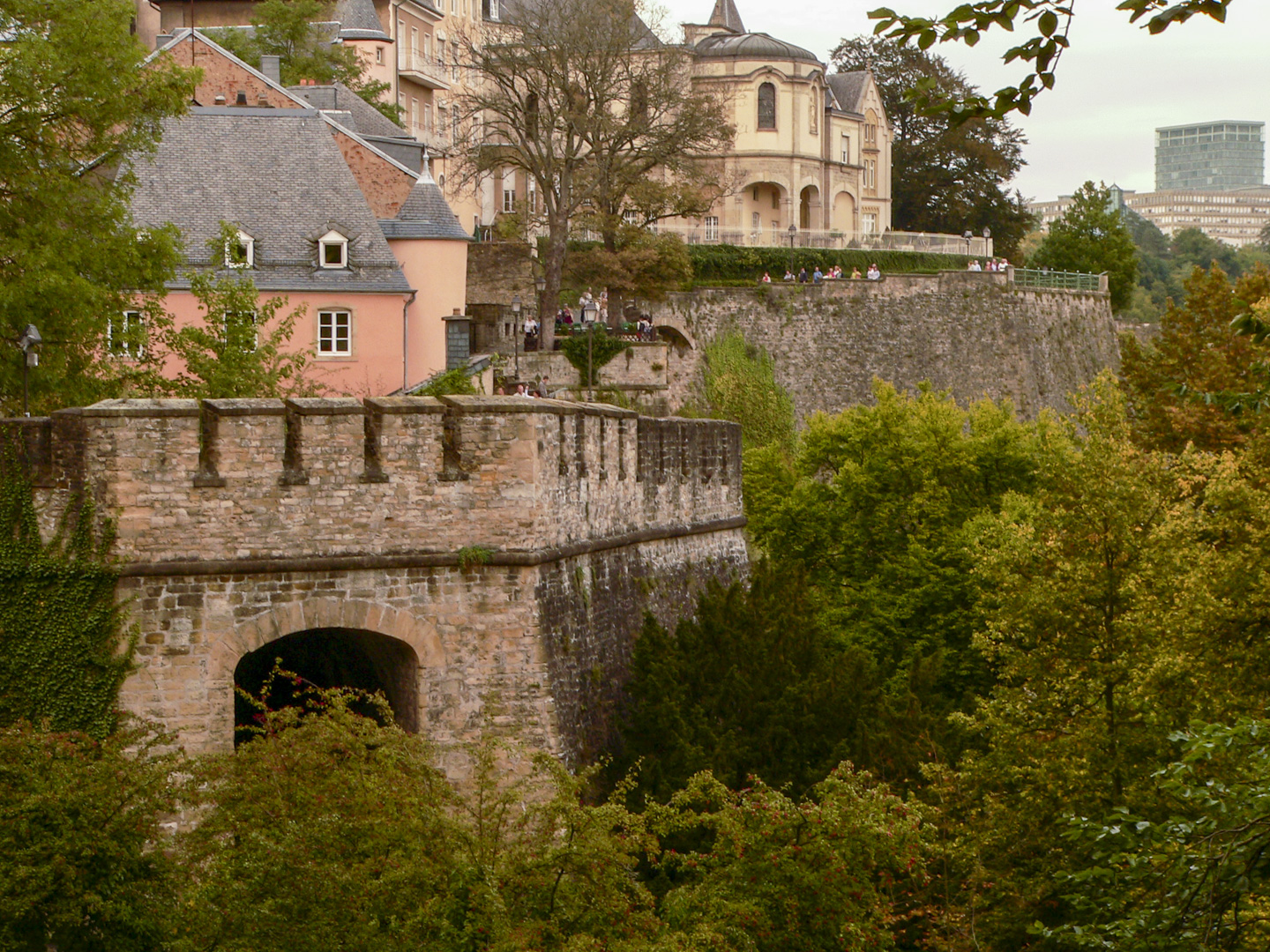
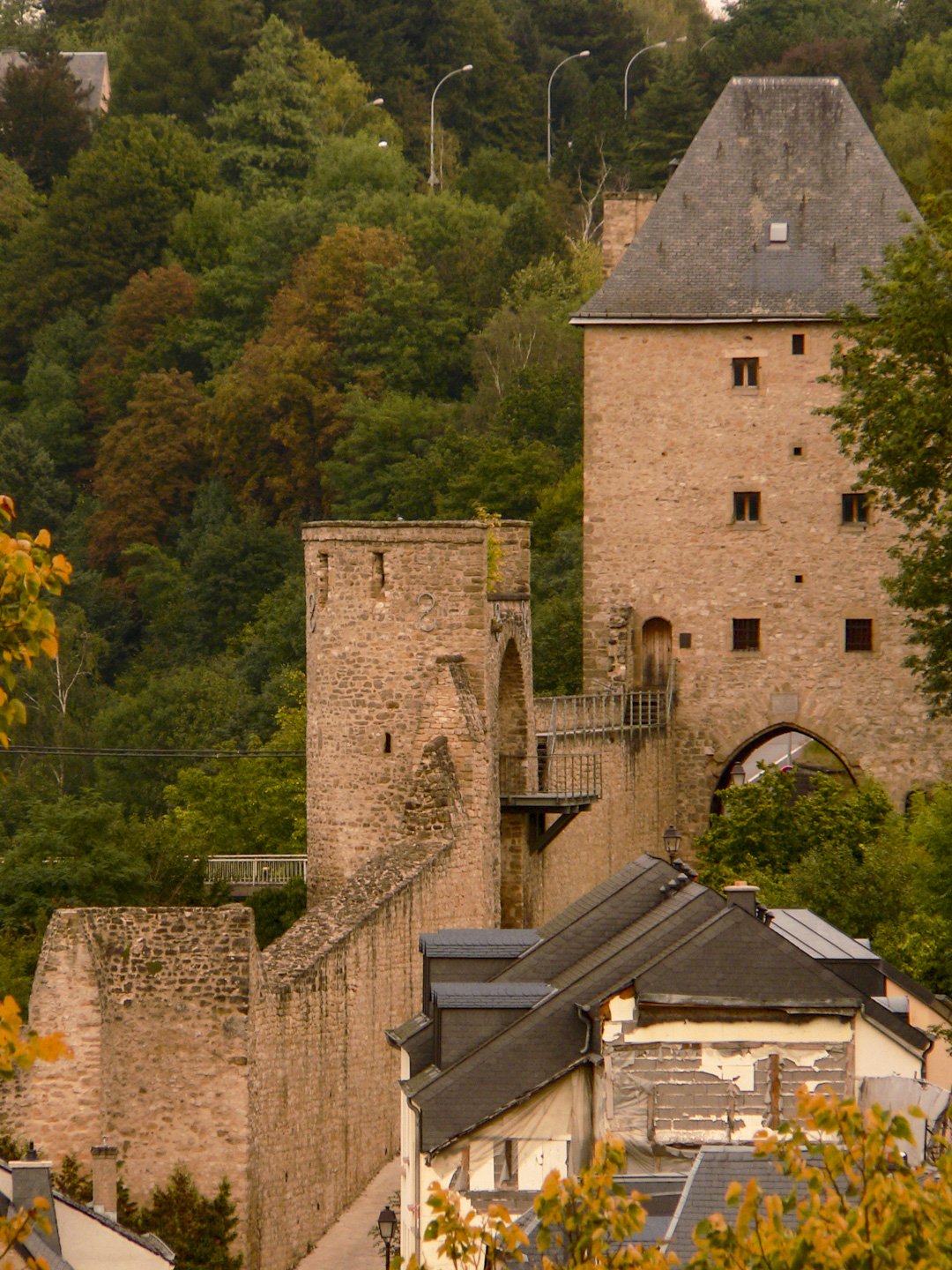
Luxembourg City grew up on a rocky sandstone plateau. The deep, wooded valleys of the Alzette and the Pétrusse cut around it on three sides, which made it a natural stronghold. From the castle founded on the Bock promontory in 963, generations of Burgundian, Spanish, French, Austrian and Prussian engineers built rings of walls, towers, bastions and gates, until Luxembourg became one of the mightiest fortresses in Europe, the “Gibraltar of the North.” Most of the defences were taken down after 1867, when the Treaty of London made Luxembourg neutral. What survives is enough to make the city unforgettable. Medieval stretches such as the Wenceslas Wall still stand, along with gate towers, Vauban-era ramparts and the casemates tunnelled into the cliffs. Since 1994 they have been protected, together with the historic old quarters, as the UNESCO World Heritage Site “City of Luxembourg: its Old Quarters and Fortifications.”
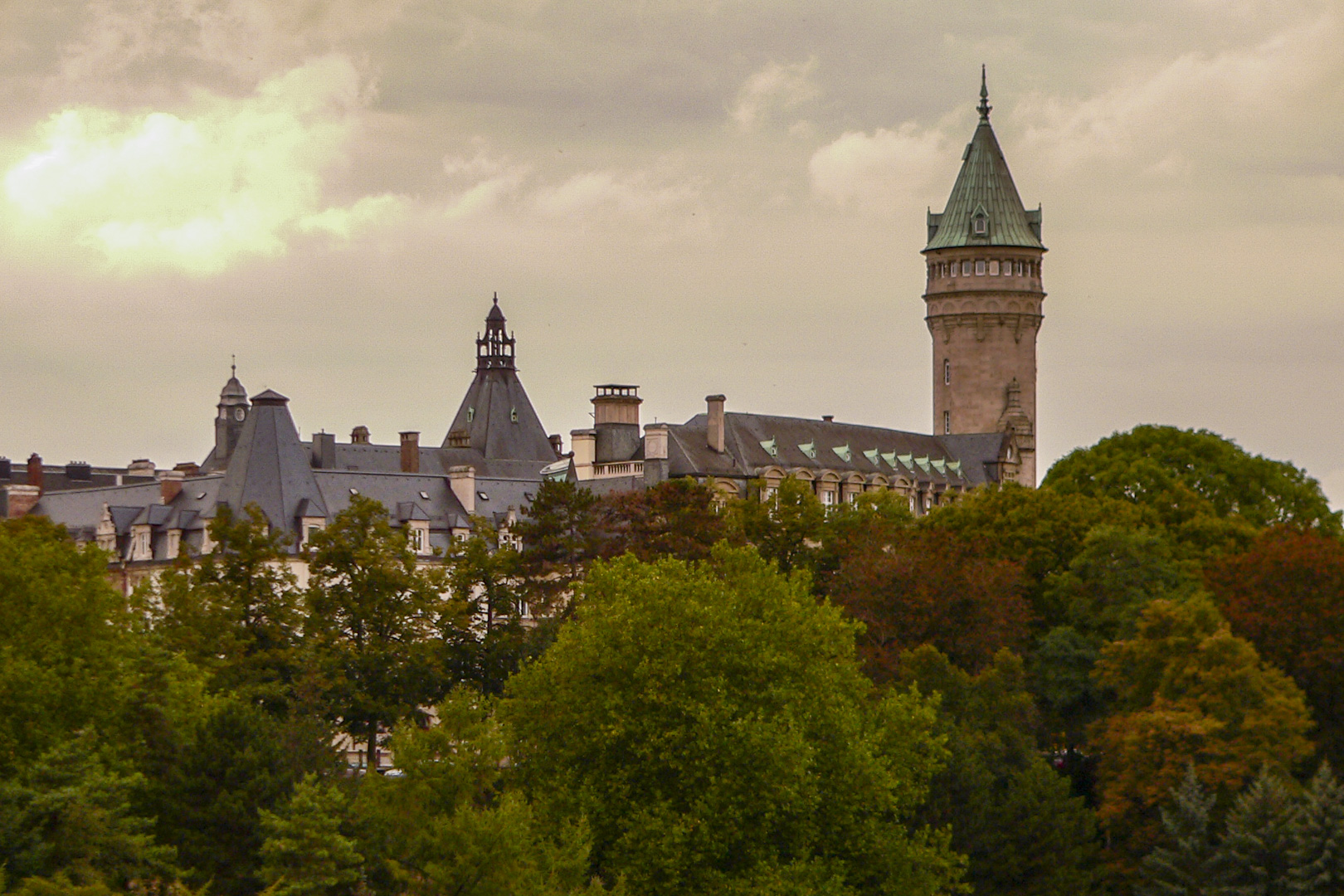
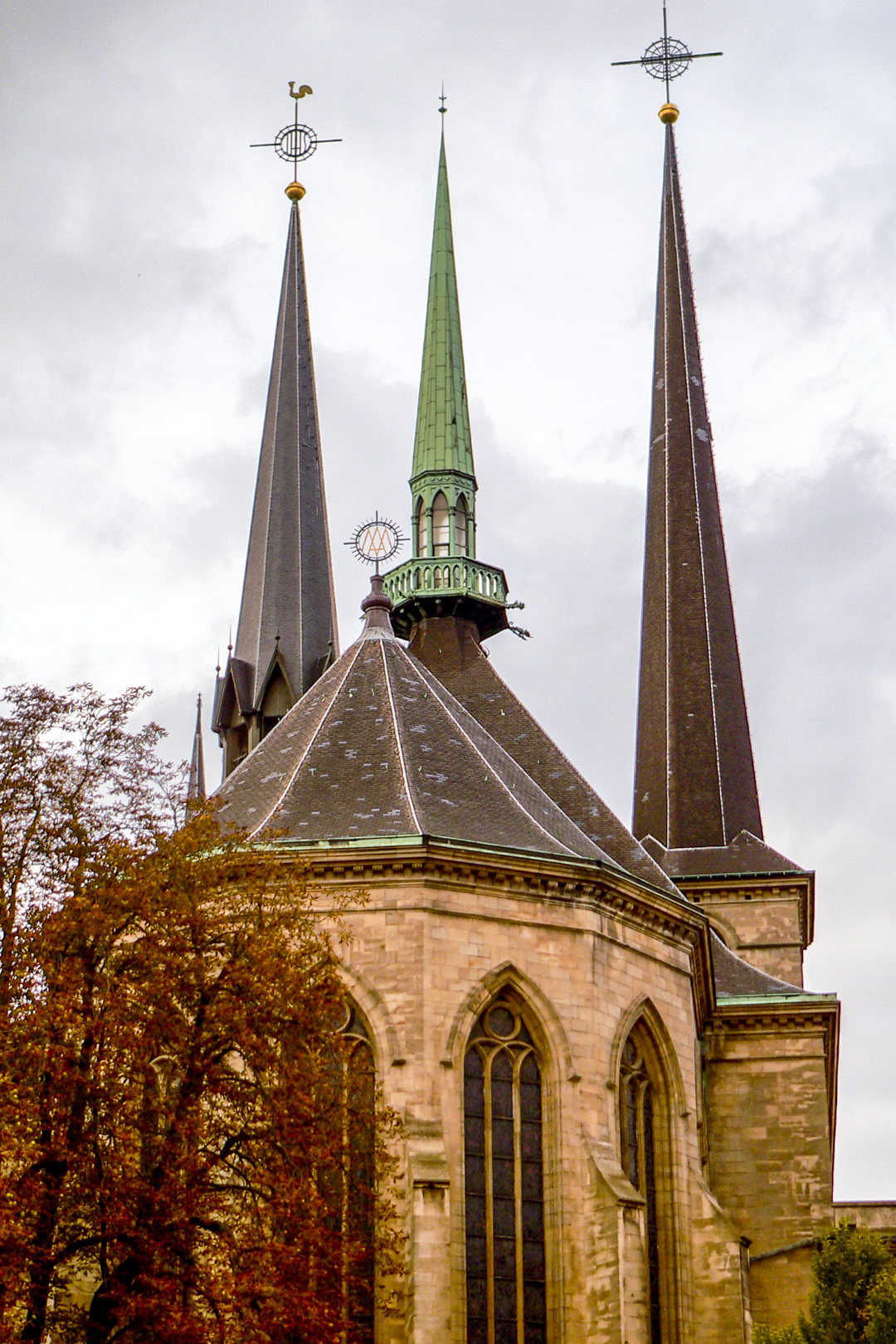
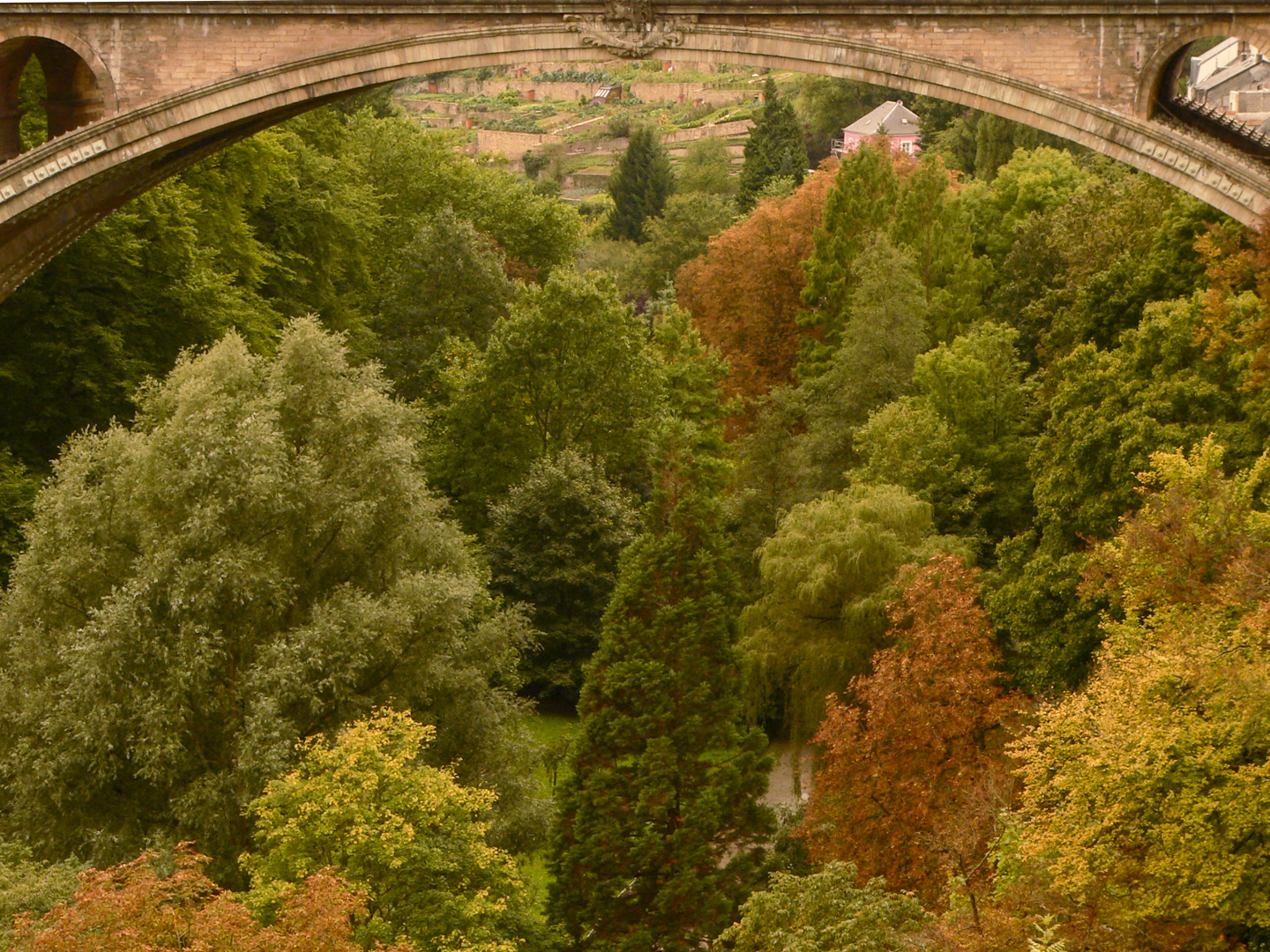
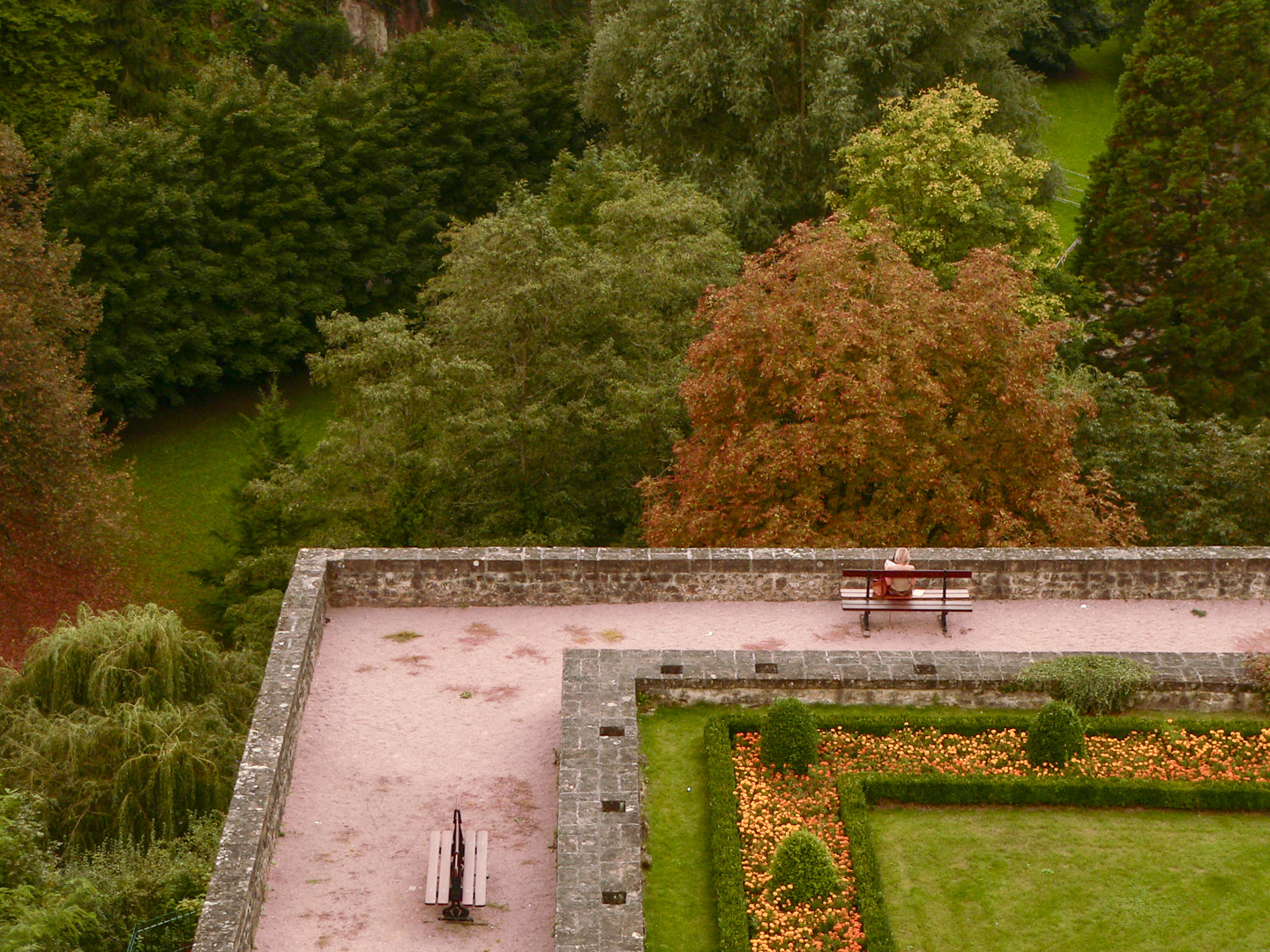
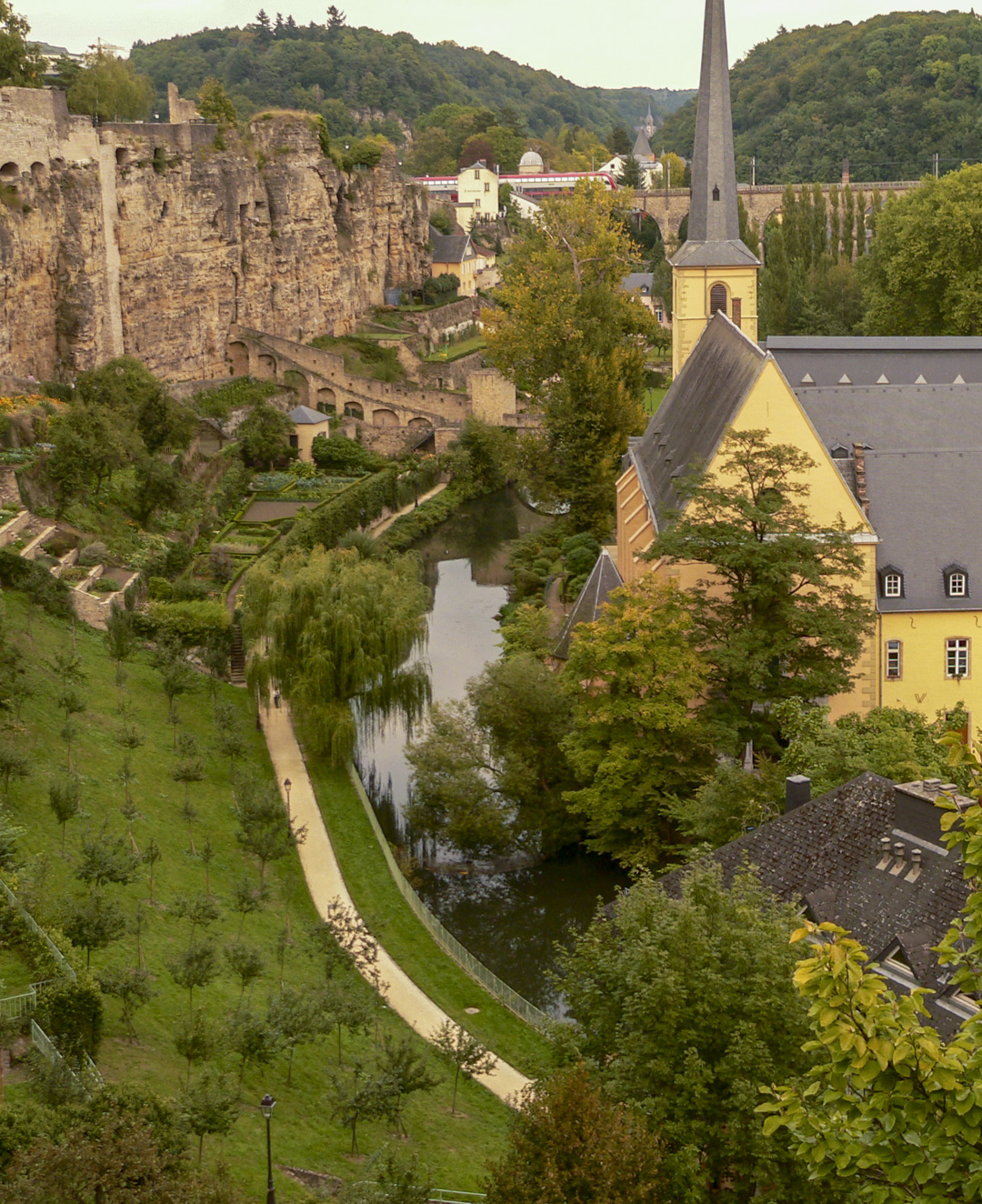
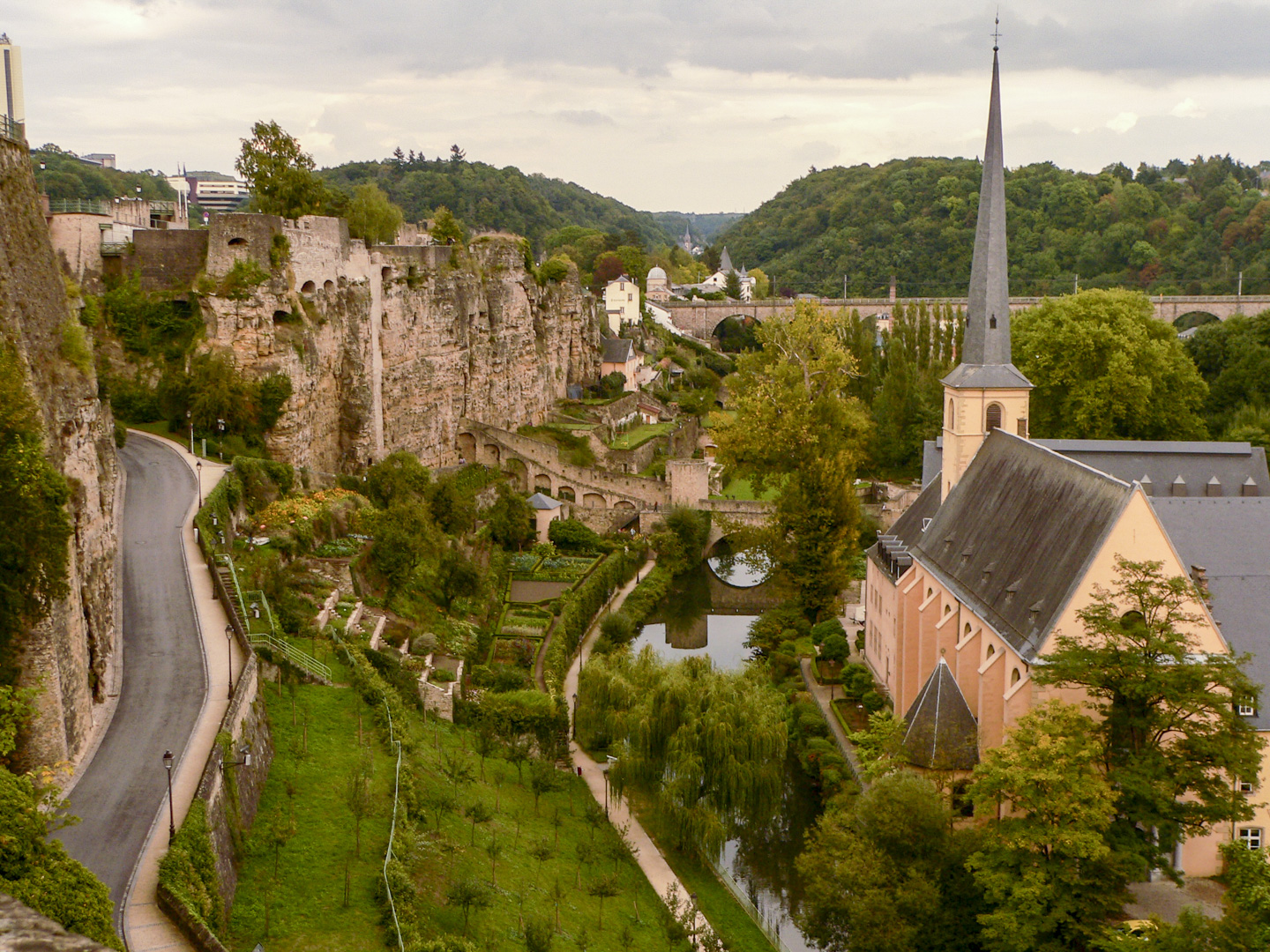
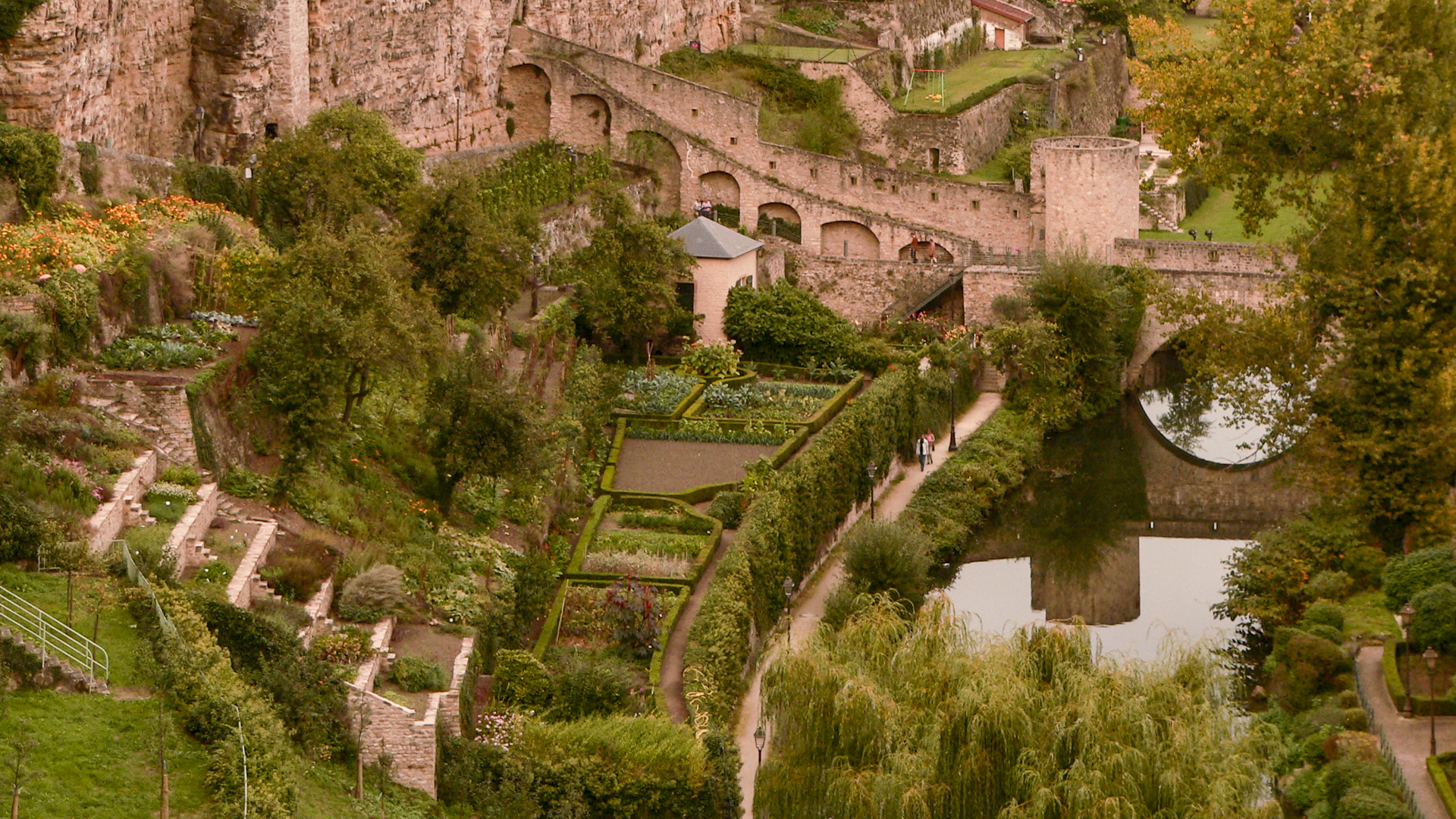
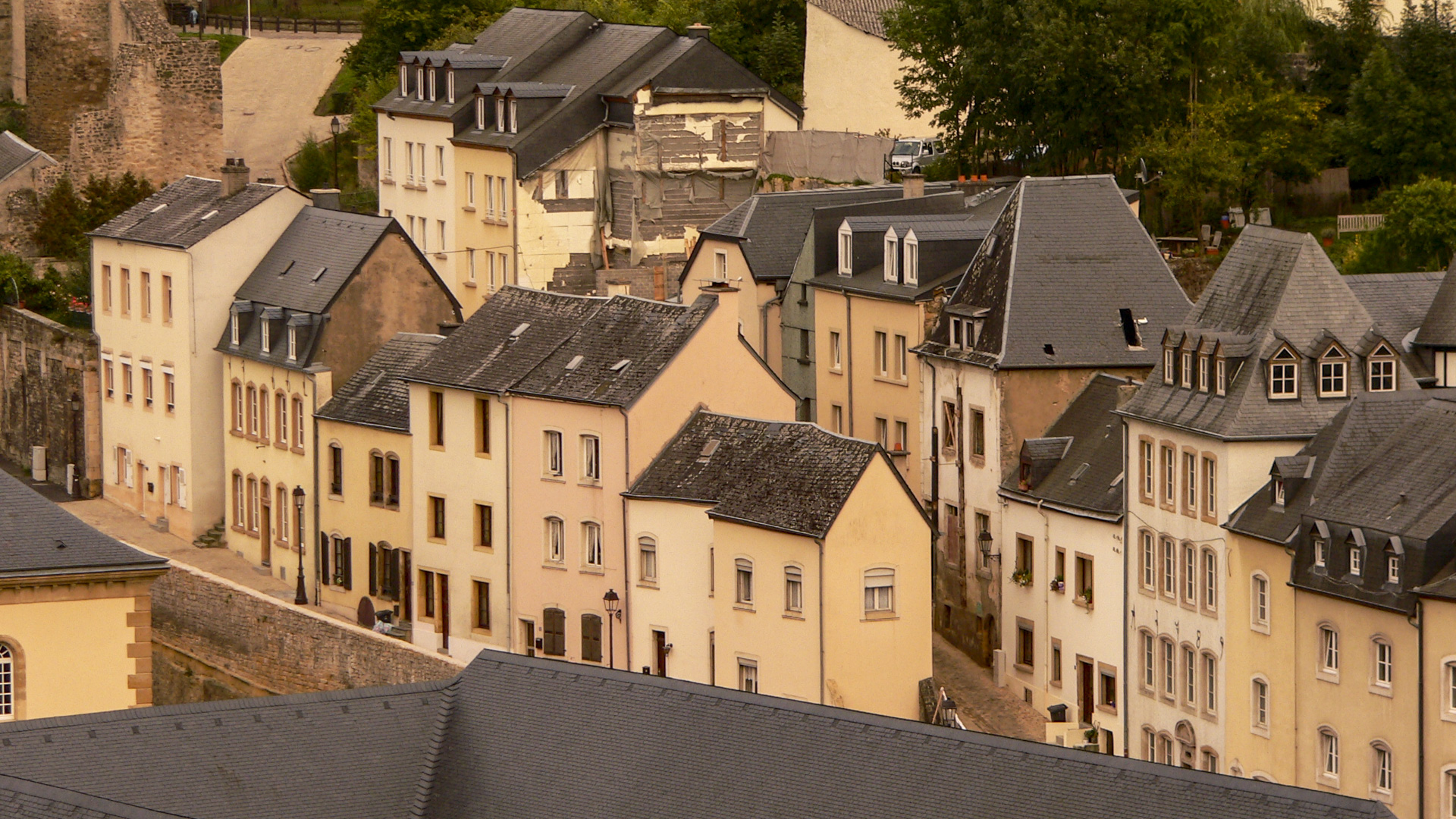
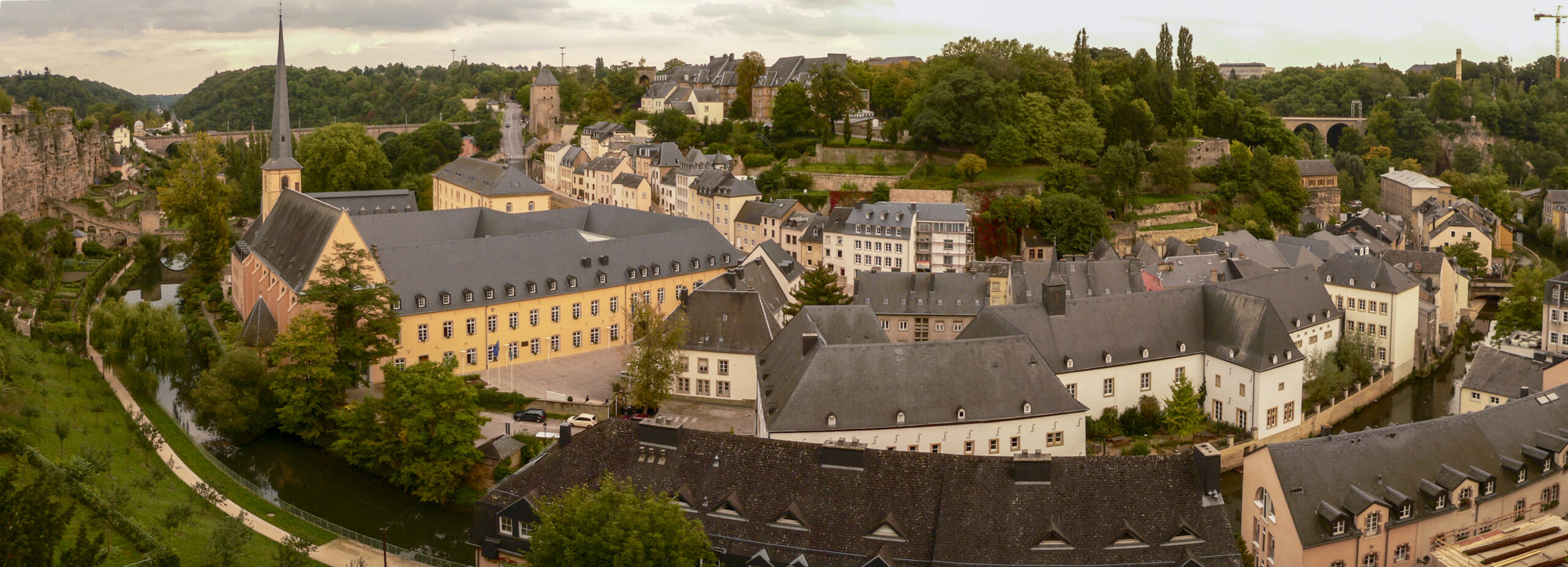
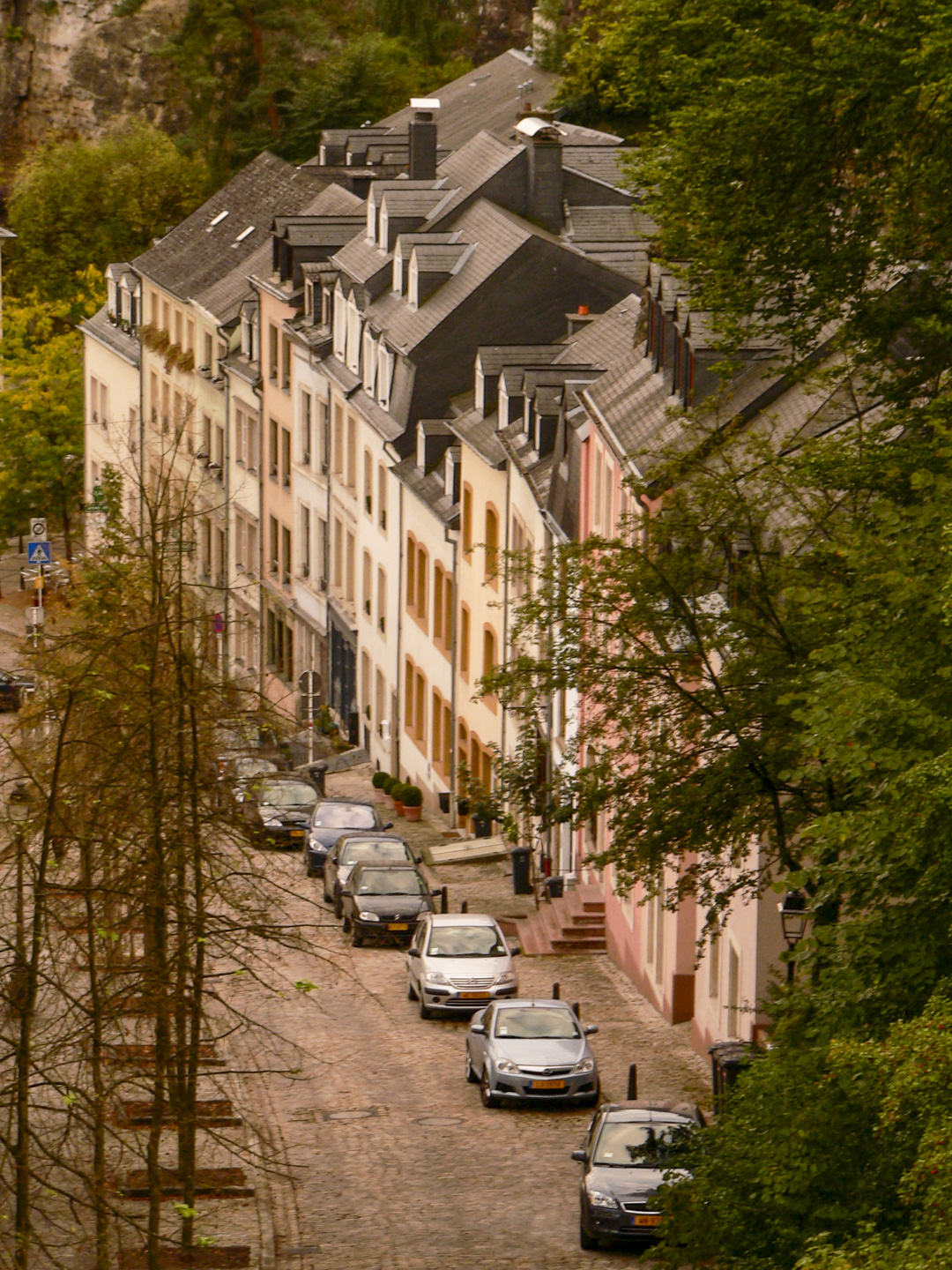
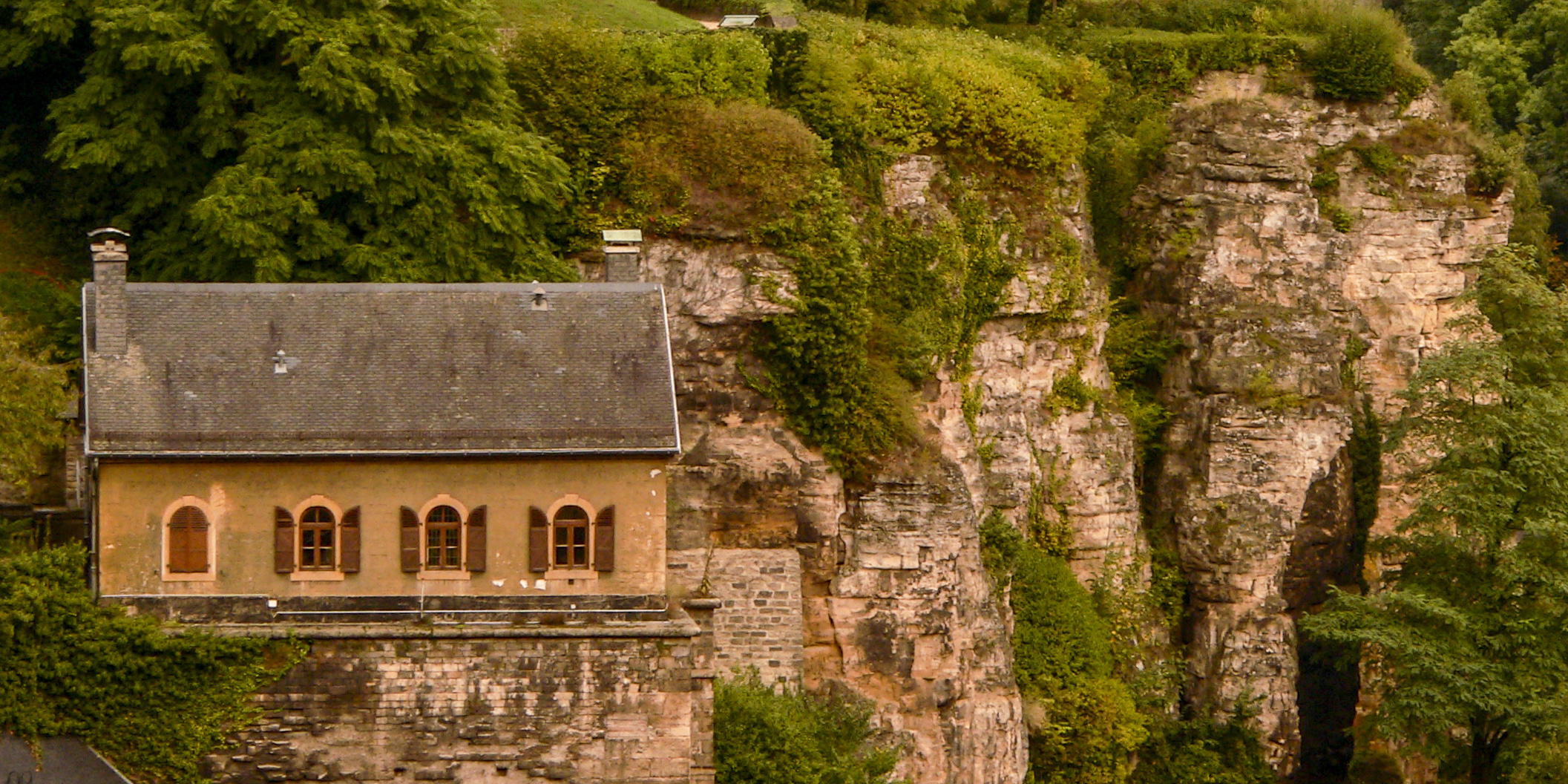
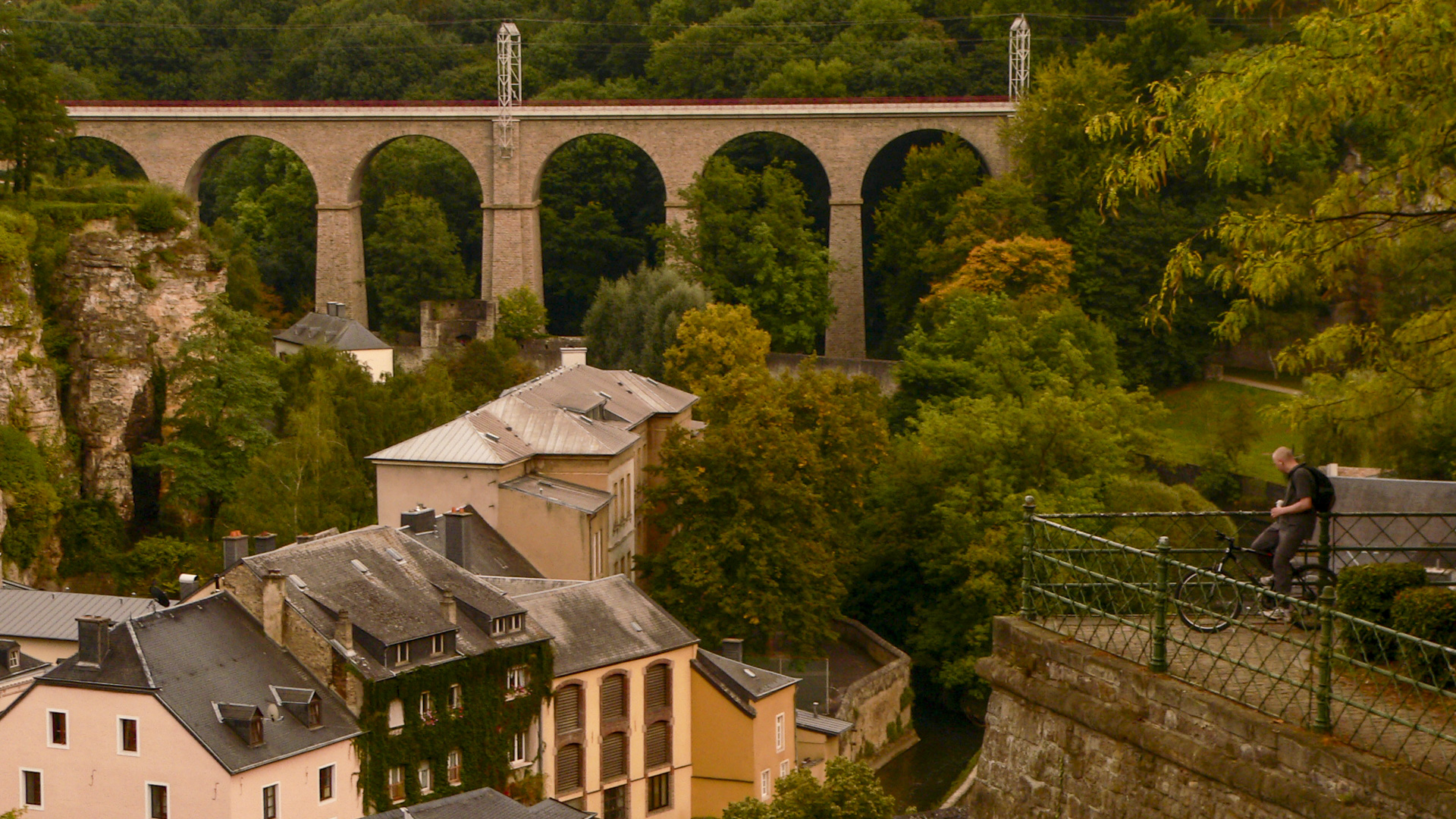
The best way to see it all is from the ramparts themselves. In the upper town, the spires of Notre-Dame Cathedral, originally a 17th-century Jesuit church, rise above slate roofs. So does the turreted tower of the State Savings Bank. To the south, the Adolphe Bridge leaps across the Pétrusse valley in a single great stone arch, high above parks and terraced gardens. Along the Chemin de la Corniche the old walls turn into a promenade, and the view drops straight down into Grund. Below, the Alzette winds past Neumünster Abbey and the Church of St John, under the old Stierchen bridge, between neat vegetable gardens, weeping willows and pastel houses, while sheer sandstone cliffs and fortress walls tower above. In the distance, a stone railway viaduct strides across the valley. Few cities pack so much history and so much green into such a small space.